
Functional Training: The Key to Moving Better Every Day
Discover the benefits of functional training and learn how real-life movements can improve your strength, flexibility, and overall well-being.
FITNESS
1/23/20262 min read
Functional Training: The Key to Moving Better Every Day
We exercise to stay fit, healthy, and strong. Many of us focus on building muscle through traditional strength training, but some of those workouts can be quite rigid and do not always reflect how we move in everyday life. In many weight training routines, movements are isolated, targeting one muscle group at a time rather than engaging the body as a whole.
After all, picking up a child is not the same as doing a deadlift, and reaching up to place a case in a cabinet is not quite like performing a shoulder press.
As we get older, unused or inflexible muscles can increase our risk of injury. By including functional training in our routine, we can improve strength, mobility, and movement efficiency, helping our bodies work better in real life.
Let us explore the benefits of functional training and how you can start incorporating it into your workouts.
What Is Functional Training?
Functional training focuses on exercises that mimic natural movements such as squatting, twisting, lifting, pushing, and reaching. Instead of working one muscle at a time, it aims to strengthen multiple muscle groups together, improving overall coordination and balance.
This form of exercise trains the body to perform everyday tasks efficiently and safely. Whether you use your own body weight, resistance bands, or free weights, functional training helps you move with greater ease and control in your daily life.
The Benefits of Functional Training
Functional training offers a wide range of benefits that go beyond aesthetics or muscle size.
Increases Mobility and Flexibility
Functional exercises move the body through its full range of motion, improving flexibility and joint health. This allows you to move more freely and comfortably in your daily life.
Reduces the Risk of Injury
By teaching the body to move correctly and efficiently, functional training helps protect joints and muscles, reducing strain and lowering the likelihood of injuries.Improves Everyday Strength
Functional exercises strengthen the muscles used in everyday activities, making tasks such as lifting, carrying, or climbing easier and safer.Enhances Balance and Coordination
Since many functional movements engage multiple muscle groups simultaneously, they help improve balance, stability, and overall body awareness.Develops Core Stability
Most functional exercises involve the core, which supports posture, reduces back pain, and increases stability during all types of movement.Supports Long-Term Health
By improving strength, endurance, and coordination, functional training promotes balance, independence, and long-term physical well-being.
Simple Functional Exercises to Try
You do not need special equipment to begin functional training. The following exercises are excellent for beginners and can be performed at home or in the gym:
Bodyweight Squats – Strengthens the legs and glutes while improving movement for daily tasks such as sitting and standing.
Lunges – Builds single-leg strength and improves stability.
Push-Ups – Strengthens the chest, shoulders, arms, and core.
Plank – Enhances core stability and posture.
Step-Ups – Mimics stair climbing, improving coordination and leg strength.
Glute Bridge – Strengthens the hips and lower back, supporting proper posture.
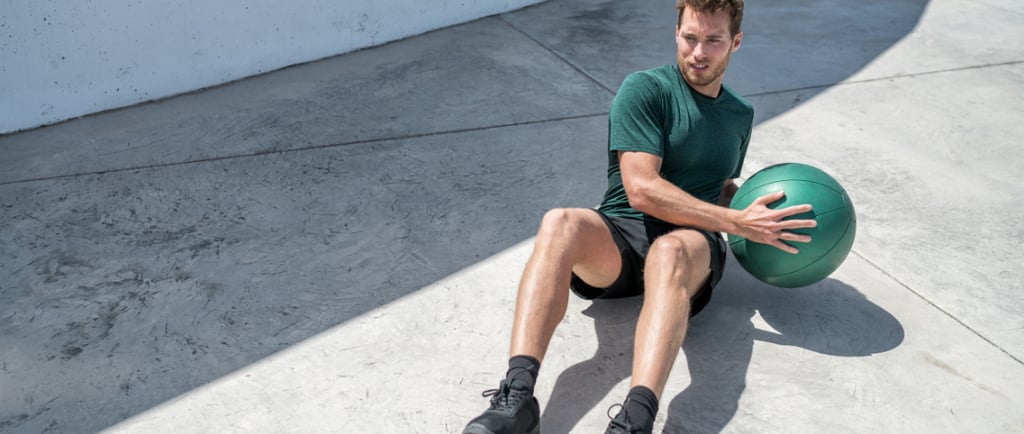
Seated or Standing Torso Twist – Improves spinal mobility and core strength while training the body to rotate safely and efficiently.
Superman Exercise – Strengthens the lower back and helps maintain a balanced, healthy posture.
Begin with 10 to 12 repetitions of each exercise and repeat for two to three rounds.
Conclusion
Training for real-life movement can significantly improve your strength, flexibility, and overall well-being. You may already include some functional movements in your workouts, which is excellent, but it is even more beneficial to incorporate exercises that cover different planes of movement used in daily life.
Aim to perform two to three sessions per week, focusing on full-body movements that challenge both strength and stability. By integrating functional exercises into your routine, you will move more efficiently, feel stronger, and live with greater confidence.
Sakura Fitness & Beauty
Promoting fitness, health, wellness, and beauty.
© 2025. All rights reserved.
London, UK
info@sakurafitnessbeauty.com