
How Balance Works in the Body and How to Improve It
Discover how balance works, which muscles control stability, and practical exercises to improve balance, strength, and injury prevention.
FITNESS
2/14/20262 min read
How Balance Works in the Body and How to Improve It
Balance training is a key part of fitness, alongside cardio, strength, and flexibility training. It helps us move more efficiently, reduce the risk of falls and injuries, and feel more confident in our everyday movements.
In sports and exercise, balance training can improve posture, performance, and agility while helping the body stay strong and injury-resistant. For older adults, it plays an important role in preventing falls and maintaining mobility, both essential for a good quality of life.
Let’s take a closer look at how balance training strengthens the body and how you can start training it in a simple, effective way.
How Balance Works in the Body
Balance relies on three key systems:
Muscular system – creates stability and control
Nervous system – senses body position and reacts quickly
Joint alignment – allows efficient force transfer
When balance is challenged, the body constantly makes small adjustments. These adjustments are controlled by stabilising muscles, which activate before larger muscles to keep joints aligned and movements controlled.
How Muscles Work Together for Balance
Each muscle has its own role, and balance is created by all muscles working together. The feet connect you to the ground, the ankles adjust to movement, the hips align the body, and the core holds everything steady. Below is how each area contributes to balance.
Feet: The Foundation of Balance
The feet are the body’s first point of contact with the ground. Small muscles inside the foot help support the arch and adjust your position when the surface changes.
When you stand, walk, or balance on one leg, these muscles:
Sense pressure from the ground
Help keep the foot stable
Send information to the brain to maintain balance
If these muscles are weak, balance becomes harder, and instability may be felt higher up the body, especially at the ankles and hips.
Ankles: Control and Quick Adjustment
The ankle muscles control how the foot moves and reacts. They help you stay upright when you shift weight, walk on uneven surfaces, or change direction.
These muscles:
Prevent the ankle from rolling in or out
Control movement as the foot lifts and lands
React quickly to prevent loss of balance
Strong ankle muscles help you feel steady and confident in daily movements and exercise.
Hips: Keeping the Body Aligned
The hips help control the body when standing on one leg, walking, or moving sideways. Key hip muscles keep the pelvis level and the legs properly aligned.
These muscles:
Prevent the pelvis from dropping
Control leg position
Help maintain balance during movement
Weak hip muscles can lead to poor balance, knee discomfort, or lower back strain.
Core: The Centre of Stability
The core muscles support the spine and keep the body stable. They activate gently before movement to help maintain balance.
These muscles:
Hold the body steady
Support good posture
Work with breathing to control movement
A strong, well-coordinated core makes balance easier and movement more controlled.
How to Strengthen Muscles to Improve Balance
Training these muscles regularly helps you move with confidence, reduce injury risk, and feel more stable in everyday life.
Simple ways to train balance include:
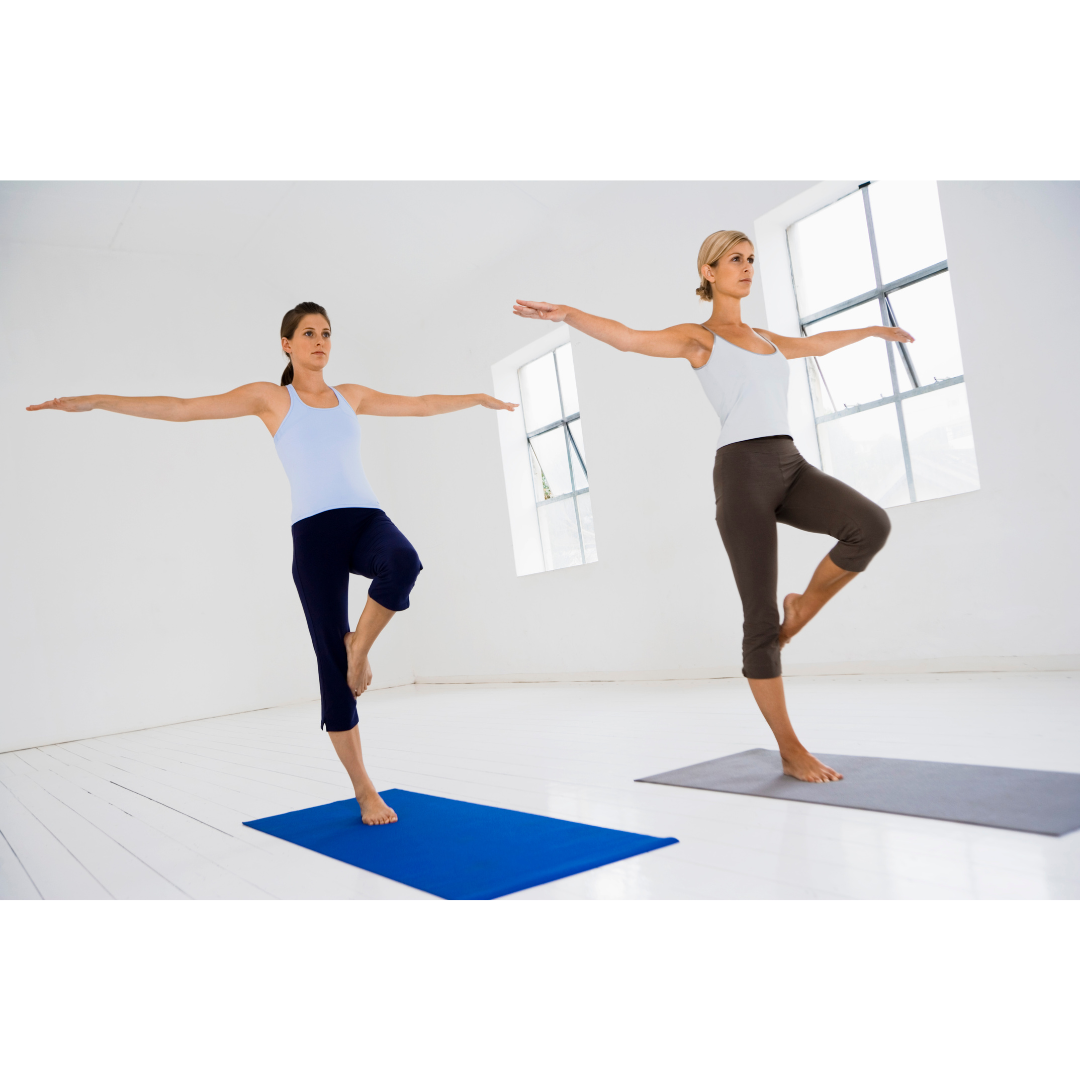
Barefoot balance exercises
Short foot (arch-lift) exercises
Single-leg standing
Slow, controlled calf raises
Conclusion
Balance training can improve posture, enhance performance in sports, and support smoother movement in daily life, while reducing the risk of falls and injuries.
To develop better balance, the body must learn to react, stabilise, and move with control. By strengthening the stabilising muscles of the feet, ankles, hips, and core, the body becomes more efficient and resilient.
Adding balance training to your exercise routine and practising consistently can support long-term mobility, performance, and overall quality of life at any age.
Sakura Fitness & Beauty
Promoting fitness, health, wellness, and beauty.
© 2025. All rights reserved.
London, UK
info@sakurafitnessbeauty.com