
How Winter Activities Improve Your Fitness and Well-Being
Learn how winter activities strengthen your body, improve balance, boost immunity, and support mental wellness.
FITNESS
12/19/20253 min read
How Winter Activities Improve Your Fitness and Well-Being
In cold weather, you may think there aren’t many ways to exercise outdoors and end up staying at home with a warm cup of tea, enjoying cosy indoor activities. However, if you have access to winter sports, they can be an amazing way to stay active while boosting your well-being and embracing the beauty of the season. Even if you live in the city, open-air ice rinks with festive decorations offer a fun opportunity to enjoy ice skating with friends and family.
Let’s discover how winter sports and activities can benefit your body and overall wellness.
Benefits of Winter Sports
1. They Build Strength in Unique Ways
Winter sports activate muscles you don’t normally use during warm seasons:
Ice Skating
Strengthens your core, glutes, and legs
Refines balance and coordination
Builds stability from constant micro-adjustments on the ice
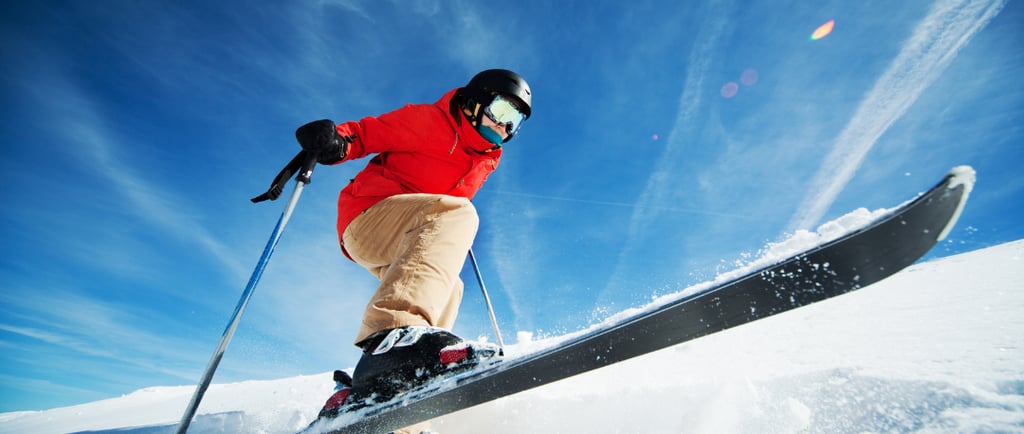
Skiing & Snowboarding
Intense engagement of the quads, hamstrings, calves, and glutes
Improves joint stability and posture
Helps develop strong, responsive lower-body muscles
Sledding
Walking uphill repeatedly strengthens the legs
Engages your core as you steer and stabilise
Natural form of interval training
Cross-Country Skiing
One of the best full-body workouts available
Works your arms, back, shoulders, core, and legs simultaneously
Low-impact yet highly effective endurance training
Winter activities help you build strength while also feeling playful and fun — making it easier to stay consistent.
2. Winter Activities Boost Cardiovascular Fitness
Outdoor winter workouts naturally increase your heart rate, thanks to:
cold air that makes your body work slightly harder
uneven terrain like snow-covered hills
longer gliding or stride movements (skating or skiing)
Activities like skiing, snowboarding, and cross-country skiing are excellent for improving heart and lung health, building stamina, and supporting long-term cardiovascular fitness.
Even simple winter walks can give your heart a healthy, steady cardio boost — especially when hills or snowy paths are involved.
3. They Improve Your Mood and Mental Well-Being
Winter months can increase stress and low mood for many people. Getting active outdoors is one of the most effective ways to protect your mental health.
Winter activities can help by:
Releasing endorphins — the natural mood boosters
Reducing symptoms of anxiety and stress
Increasing sunlight exposure (even in small amounts)
Bringing you closer to nature and fresh air
Encouraging playfulness and joy
Sledding, skating, or simply walking in the frosty air can lift your spirits and bring a refreshing sense of clarity.
4. Cold Weather Helps You Burn More Calories
When your body works to stay warm, it increases energy expenditure.
This means winter activities naturally boost calorie burn — even at moderate intensity.
Sports like skiing and cross-country skiing are known for their high energy demand, making them great for:
managing weight
improving fitness
enhancing endurance
Cold-weather workouts can be more efficient than their summer equivalents!
5. They Encourage Mindfulness and Presence
Winter environments tend to be quieter, calmer, and beautifully serene. Whether you're gliding across an ice rink or walking through a frosty park, there’s something grounding and peaceful about being outdoors in winter.
These activities promote:
mental clarity
focus
mindful breathing
a stronger connection with nature
This break from digital overload is especially beneficial during darker months.
Quick Safety Tips for Winter Sports
Take a lesson to learn how to stop, turn, and fall safely.
Wear proper gear — helmet, gloves, and warm, flexible layers.
Warm up before getting on the snow or ice.
Learn safe falling: keep arms close and avoid landing backwards.
Stay in beginner areas until you feel confident.
Rest often — most injuries happen when you're tired.
Check conditions and avoid icy or low-visibility days.
Conclusion
Each winter sport offers different benefits and works different muscle groups. Ice skating, skiing and snowboarding rely heavily on the lower body and core and require good balance, while cross-country skiing engages both the upper and lower body at the same time and provides a more stable movement pattern. Beyond the physical workout, exposure to cold weather can help strengthen your immune system, and getting sunlight during the day supports vitamin D levels and healthy melatonin production. Being surrounded by beautiful winter scenery also gives a natural boost to your well-being.
Always consider safety when doing winter sports, and if you’re a beginner, taking a lesson with an instructor is important to help prevent injuries. Even simply going for a walk in snowy weather can be beneficial - just remember to train your balance and step carefully to avoid slipping on icy pavements!
Sakura Fitness & Beauty
Promoting fitness, health, wellness, and beauty.
© 2025. All rights reserved.
London, UK
info@sakurafitnessbeauty.com