
Strengthening Your Bones: How to Build and Maintain Bone Density
Build and maintain strong bones with exercise, nutrition, and healthy habits. Learn how bone density and peak bone mass affect lifelong health.
SELF-CARE
2/27/20263 min read
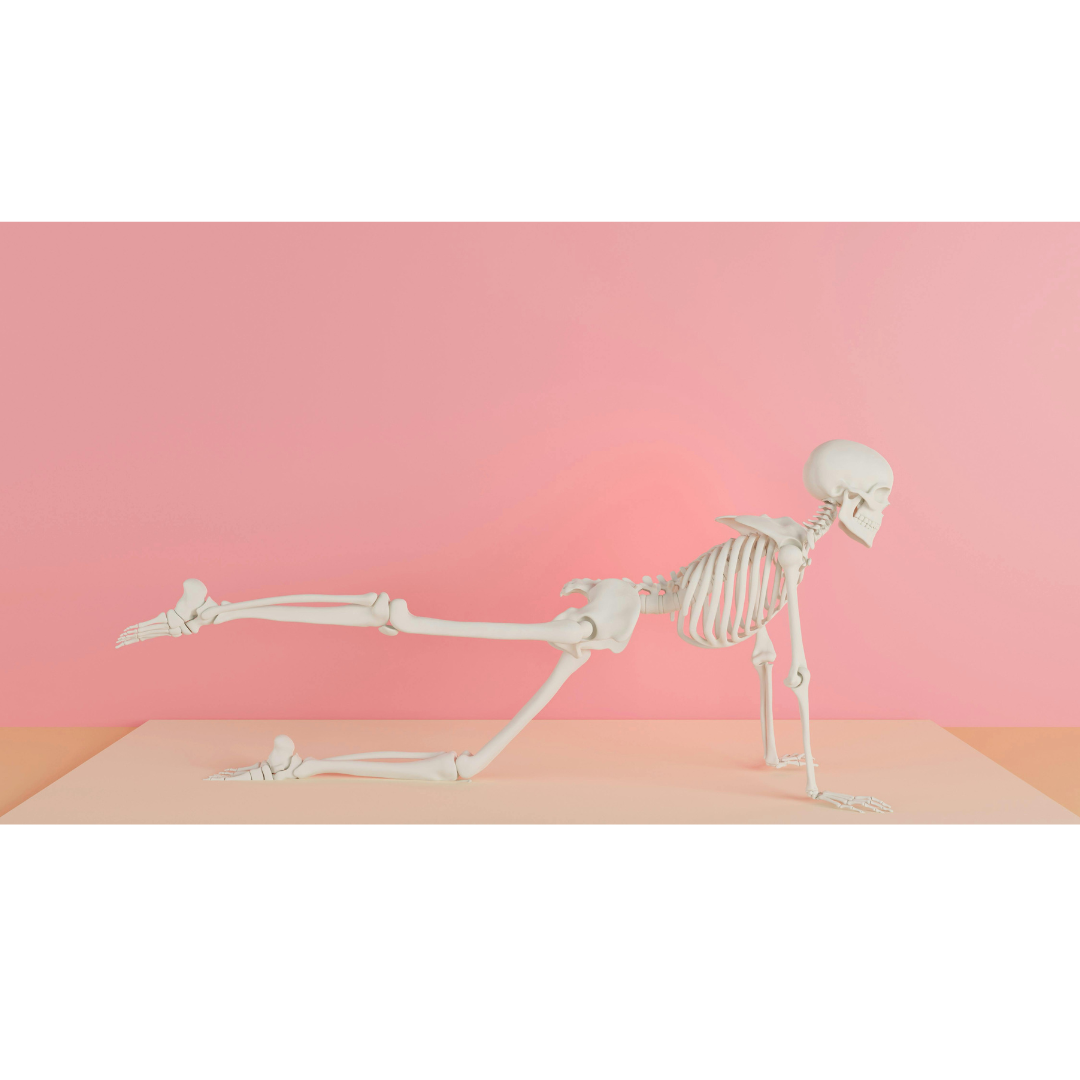
Strengthening Your Bones: How to Build and Maintain Bone Density
To live a more mobile and active life, strong bones are essential, and caring for them should start at a young age. After the age of 50, the risk of bone fractures increases, and women in particular are more prone to developing osteoporosis, which can significantly limit mobility and quality of life. By strengthening your bones earlier in life, you can build and store bone density, reducing the risk of injuries and osteoporosis later on. Even if you are already over 30, it is still important to support your bone health through daily habits and lifestyle choices. Let’s explore how to strengthen your bones and maintain bone health throughout life.
Why Bone Density Matters
Bone density refers to how strong and compact your bones are. Higher bone density means stronger bones that are less likely to fracture. Low bone density increases the risk of conditions such as osteoporosis, particularly in women, older adults, and those who are inactive.
Bone health is:
Better posture and balance
Reduced injury risk
Stronger performance in exercise
Long-term mobility and independence
Peak bone mass is usually reached in early adulthood, but bone strength can still be maintained and improved with the right lifestyle choices.
The Importance of Peak Bone Mass
Peak bone mass is typically reached between the ages of 25 and 30, making the years before this a crucial period for building strong bones. During childhood, adolescence, and early adulthood, bones respond most effectively to movement and proper nutrition, allowing bone density to increase more efficiently. After peak bone mass is reached, the body shifts to maintaining bone, with gradual bone loss occurring over time. The bone density built earlier in life acts as a “bone bank,” helping to protect against fractures, osteoporosis, and age-related bone loss later on.
How to take care of your bones
1. Strength Training: The Foundation of Bone Health
One of the most effective ways to strengthen bones is resistance and weight-bearing exercise. When muscles pull against bones during movement, it stimulates bone-building cells, encouraging bones to become denser and stronger.
Beneficial exercises include:
Weight training (squats, lunges, deadlifts, presses)
Bodyweight exercises (push-ups, planks, step-ups)
Resistance bands
Functional movements that involve lifting or carrying
Aim to include strength training 2–3 times per week, focusing on proper technique and gradual progression.
2. Weight-Bearing Movement in Daily Life
Weight-bearing activities force your body to work against gravity, which is essential for bone stimulation.
Examples include:
Walking or brisk walking
Jogging or running
Dancing
Hiking
Stair climbing
Even simple habits like choosing stairs over lifts or adding a daily walk can make a meaningful difference over time.
3. Nutrition for Strong Bones
Exercise alone is not enough. Bones need the right nutrients to rebuild and stay strong.
Key nutrients for bone density:
Calcium – essential for bone structure (found in dairy, leafy greens, fortified foods)
Vitamin D – helps the body absorb calcium (sunlight, eggs, oily fish)
Protein – supports bone and muscle repair
Magnesium & phosphorus – contribute to bone formation
A balanced, varied diet is far more effective than relying solely on supplements. If you struggle to meet your needs, speak to a healthcare professional before supplementing.
4. The Role of Hormones and Lifestyle
Hormonal changes particularly during puberty, pregnancy, and menopause can affect bone density. While some changes are natural, lifestyle choices still play a powerful role.
To protect bone health:
Avoid smoking
Limit excessive alcohol intake
Maintain a healthy body weight
Prioritise sleep and recovery
Chronic stress and under-eating can also negatively impact bone health, especially in active individuals.
5. Consistency Over Perfection
Bone health is built slowly and steadily. You don’t need extreme workouts or strict routines, what matters most is consistency.
Small, sustainable habits like:
Regular strength sessions
Daily movement
Balanced meals
Looking after your overall wellbeing
All add up to stronger bones over time.
Conclusion
Accumulating as much bone mass as possible before peak bone mass is reached around 25 years of age is essential. A balanced diet, regular physical activity, and structured exercise during early life help build strong bones that provide long-term protection. After peak bone mass, bone density gradually decreases, and the risk of fractures increases, particularly for women. For this reason, protecting and maintaining bone health becomes increasingly important with age.
Strength training, weight-bearing exercise, and active daily movement provide the stimulus bones need to stay strong and resilient. Combined with a well-balanced diet rich in calcium, protein, vitamin D, magnesium, and phosphorus, these habits help preserve bone mass and reduce injury risk. Healthy lifestyle choices, such as avoiding smoking, limiting alcohol, and prioritising quality sleep, further strengthen this foundation.
Consistency is the key to long-term success. By committing to small, healthy habits and maintaining them over time, you can protect your bones, minimise injury risk, and support an active, confident, and fulfilling life.
Sakura Fitness & Beauty
Promoting fitness, health, wellness, and beauty.
© 2025. All rights reserved.
London, UK
info@sakurafitnessbeauty.com