
The Art of Beautiful Feet: A Winter Guide to Repairing Cracked Heels
Winter foot care guide to repairing cracked heels. Learn the causes, best treatments, and daily prevention tips for smooth, hydrated feet.
BEAUTY
2/20/20262 min read
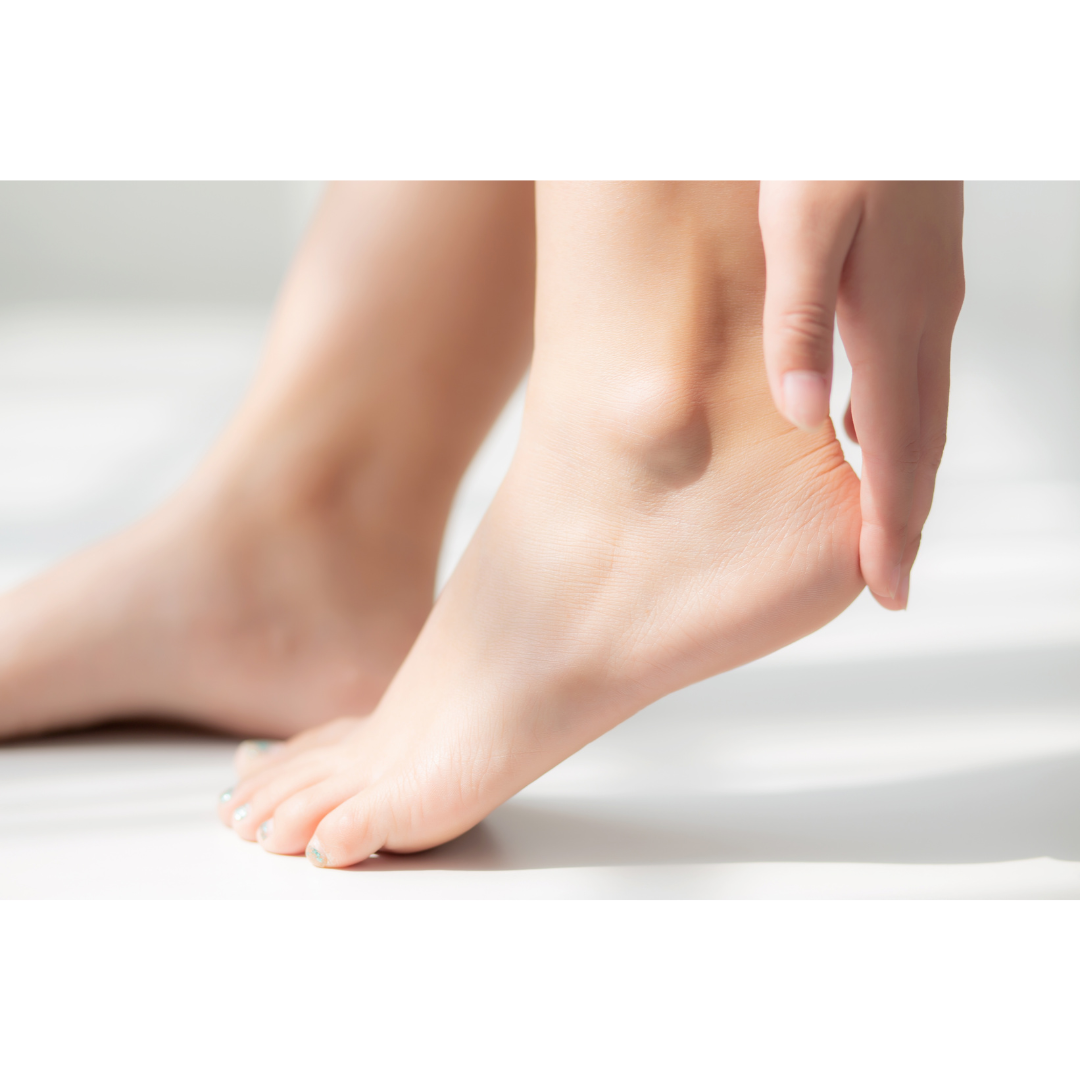
The Art of Beautiful Feet: A Winter Guide to Repairing Cracked Heels
In winter, the feet often become very dry and develop a rough texture. Because they are usually covered with socks and shoes, we tend not to pay much attention to them. However, neglecting proper care can lead to painful cracked heels. This problem becomes more common as temperatures drop and indoor heating increases, both of which reduce moisture levels in the skin.
To maintain healthy and beautiful feet throughout the colder months, it is important to understand why this happens and how to treat it correctly.
Why Do Heels Crack More in Winter?
The skin on the soles of the feet naturally has fewer oil glands compared to other parts of the body. During winter:
Cold outdoor air reduces humidity levels.
Indoor heating further depletes moisture.
Hot showers strip away natural oils.
Dehydration becomes more common.
As the skin loses elasticity and hydration, it thickens and hardens. When pressure is applied (standing, walking), the rigid skin can split, leading to heel fissures commonly known as cracked heels.
How to Repair a Cracked Heel
Step 1: Controlled Exfoliation (Remove the Thickened Layer)
Exfoliation removes accumulated dead skin and allows moisturising products to penetrate effectively.
Best practice:
Soak feet in warm (not hot) water for 10–15 minutes.
Use a pumice stone or foot file gently.
Avoid aggressive scraping, which can worsen cracking.
Limit exfoliation to 1–2 times per week.
Over-exfoliation can compromise the skin barrier, so moderation is key.
Step 2: Intensive Hydration and Barrier Repair
After exfoliation, hydration is essential.
Look for clinically proven ingredients such as:
Urea (10–25%) – softens thickened skin and improves moisture retention
Glycerin – draws water into the skin
Hyaluronic acid – enhances hydration
Shea butter or ceramides – strengthen the skin barrier
Apply a thick layer of cream, particularly before bed. Wearing breathable cotton socks overnight enhances absorption and prevents moisture loss.
Daily moisturising, even when heels improve is critical for long-term results.
Step 3: Weekly Repair Treatments
For severely dry or cracked heels, incorporate:
A hydrating foot mask once per week
Occlusive therapy (thick balm + socks overnight)
Mild keratolytic creams containing urea or lactic acid (if recommended)
If cracks become deep, painful, or bleed, medical advice may be required to prevent infection.
Prevention Strategies for Healthy Winter Feet
Prevention is more effective than repair. To maintain smooth, resilient heels:
Avoid prolonged hot showers or baths. Keep the water temperature below 40°C to protect the skin barrier.
Drink adequate water daily.
Moisturise immediately after bathing.
Wear thick socks at home. In colder conditions, opt for closed back slippers to reduce moisture loss and protect the heels from friction.
Maintain consistent foot care routines, not only when problems arise.
Consistency strengthens the skin barrier and prevents recurrence.
To Conclude
Although the body has a natural ability to heal, harsh, cold, and dry weather places additional stress on the skin. During winter, lower temperatures reduce humidity levels, and indoor heating further decreases moisture in the air. As a result, the heels are more prone to dryness and cracking.
For this reason, extra attention is required to maintain healthy feet. When cracked heels appear, combining gentle exfoliation with intensive hydration and wearing cotton socks overnight can significantly improve the condition of the skin. Daily moisturising is also essential to prevent dryness and future cracking.
The art of beautiful feet lies in understanding the science of skin health and applying that knowledge with consistency, discipline, and care.
Sakura Fitness & Beauty
Promoting fitness, health, wellness, and beauty.
© 2025. All rights reserved.
London, UK
info@sakurafitnessbeauty.com