
The Balance Test: A Simple Indicator of Neuromuscular Health and Longevity
Discover how a simple balance test can reveal your neuromuscular health and longevity, and learn practical ways to improve your balance for healthy aging.
FITNESS
4/25/20263 min read
The Balance Test: A Simple Indicator of Neuromuscular Health and Longevity
There are several simple tests that can help us understand our fitness level and provide insight into our overall health and the aging process. One of these is the balance test, which can reveal a great deal about our neuromuscular health and even our potential for healthy longevity.
Good balance plays an important role in everyday life. It helps prevent falls and injuries during daily activities and can also improve performance in sports and physical exercise. Preventing falls and fractures especially later in life, is essential for maintaining mobility, independence, and quality of life. In fact, serious injuries from falls can significantly affect long-term health and even life expectancy.
In this article, we will explore why balance matters for longevity, how to test your balance, and how you can improve it to support long-term health and well-being.
What Is Neuromuscular Health?
Neuromuscular health refers to the efficient communication between the brain, nervous system, and muscles. Every movement we make whether walking, standing, or reaching for something, requires precise signals from the brain that travel through nerves to activate the muscles.
A healthy neuromuscular system allows us to:
Maintain stability and posture
React quickly to prevent falls
Coordinate complex movements
Control muscle strength and endurance
As we age, this communication can gradually become less efficient. Muscle strength may decrease, reaction times may slow, and balance can become less stable. Regular physical activity and balance training help maintain these essential functions.
Why Balance Matters for Longevity
Balance is closely linked to overall health because it reflects the function of multiple body systems working together. Maintaining good balance requires the integration of:
Muscular strength, particularly in the legs and core
Sensory input, including vision and inner ear balance mechanisms
Neurological coordination, allowing the brain to adjust posture and movement
When balance begins to decline, it may indicate changes in one or more of these systems. Poor balance is associated with a higher risk of falls, which are one of the leading causes of injury among older adults.
Good balance, on the other hand, supports independence, mobility, and confidence in everyday activities. It allows individuals to move safely, remain active, and maintain a higher quality of life as they age.
The One-Leg Balance Test
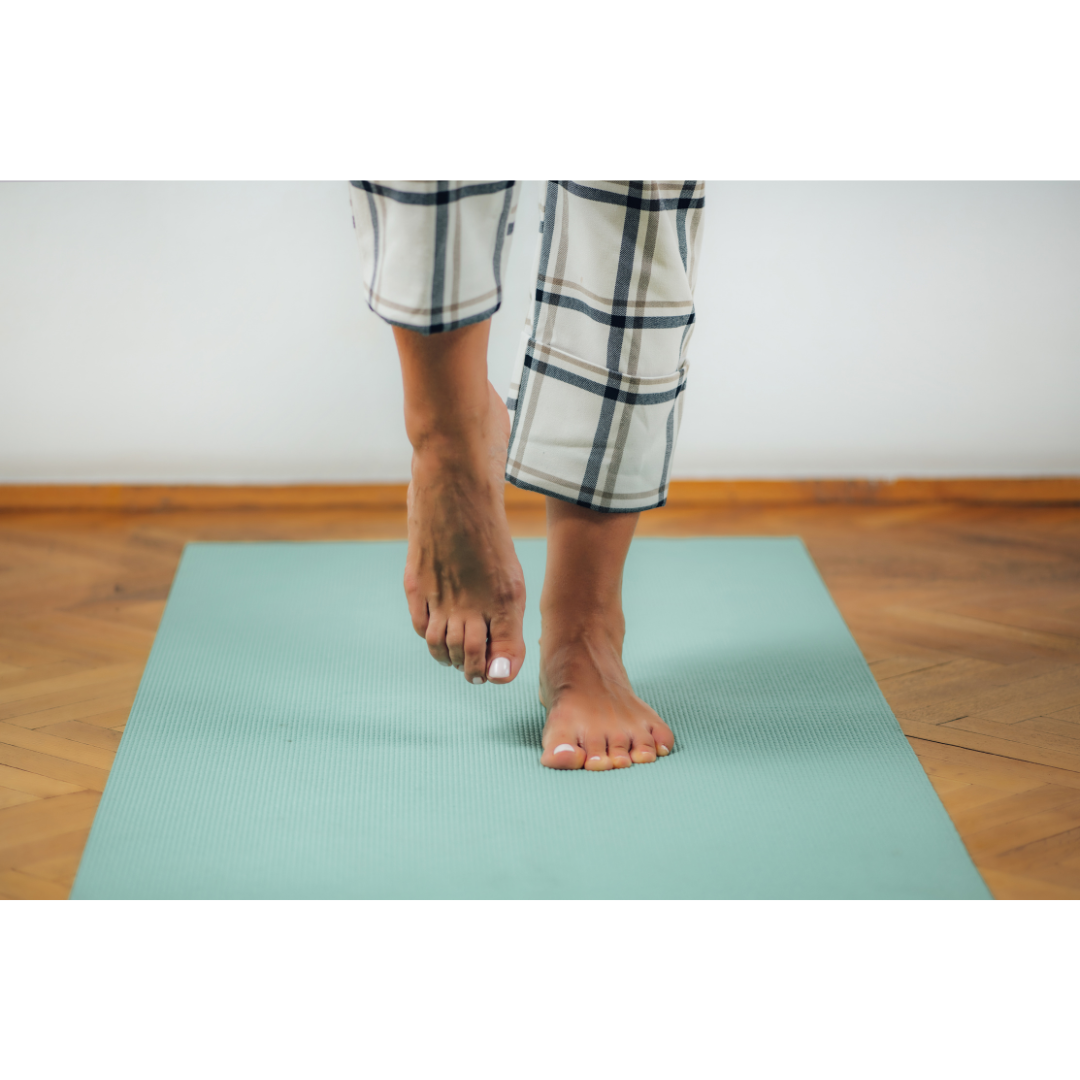
One of the simplest ways to assess balance and neuromuscular health is the one-leg balance test. This test requires no equipment and can be performed almost anywhere.
How to perform the test
Stand upright with your feet together.
Place your hands on your hips or by your sides.
Lift one foot slightly off the ground.
Hold the position while maintaining balance.
Time how long you can remain stable without touching the lifted foot to the floor.
Repeat the test on both legs and record the time.
Balance Benchmarks by Age
While balance ability varies among individuals, the following times are often used as general reference points:
Age Group Good Balance Time
20–39 years 45 seconds or more
40–59 years 40 seconds or more
60 years and older 30 seconds or more
Being able to maintain balance for these durations generally indicates good neuromuscular coordination and functional stability.
Factors That Influence Balance
Several factors contribute to balance performance, including:
Muscle strength
Strong leg and core muscles help stabilize the body and control movement.
Joint mobility
Flexible ankles, knees, and hips allow better adjustments when the body shifts.
Vision
Visual input helps the brain determine body position and movement in space.
Inner ear function
The vestibular system in the inner ear plays a key role in maintaining equilibrium.
Neurological coordination
Efficient communication between nerves and muscles ensures quick and precise adjustments.
When any of these systems weaken, balance can become less stable.
How to Improve Balance
The good news is that balance can be improved at any age. Regular exercise helps strengthen the muscles and neural pathways responsible for stability.
Effective balance exercises include:
Single-leg stands
Heel-to-toe walking
Yoga or Pilates
Strength training for legs and core
Stability and coordination exercises
Practising balance exercises just a few minutes each day can significantly improve stability over time.
To Conclude
Being aware of how important balance is in our daily lives and training it consistently can help prevent injuries while improving both our quality of life and sports performance.
Balance depends on several factors, including neurological connections between nerves and muscles, muscle strength, joint stability, and vestibular function. Among these, the aspects we can actively improve through exercise are neuromuscular coordination and muscle strength.
A simple balance test, such as how long you can stand on one leg, can give you a useful indication of your current balance and may motivate you to improve it.
Whether you include balance training in your regular exercise routine or simply take small opportunities during the day, for instance, standing on one leg while waiting for the bus or for the kettle to boil, these simple habits can help strengthen your balance over time.
By caring for our balance today, we invest in a future of greater mobility and long-term health.
Sakura Fitness & Beauty
Promoting fitness, health, wellness, and beauty.
© 2025. All rights reserved.
London, UK
info@sakurafitnessbeauty.com